How Winter Tyres Improve Braking Distance on Snow and Ice?

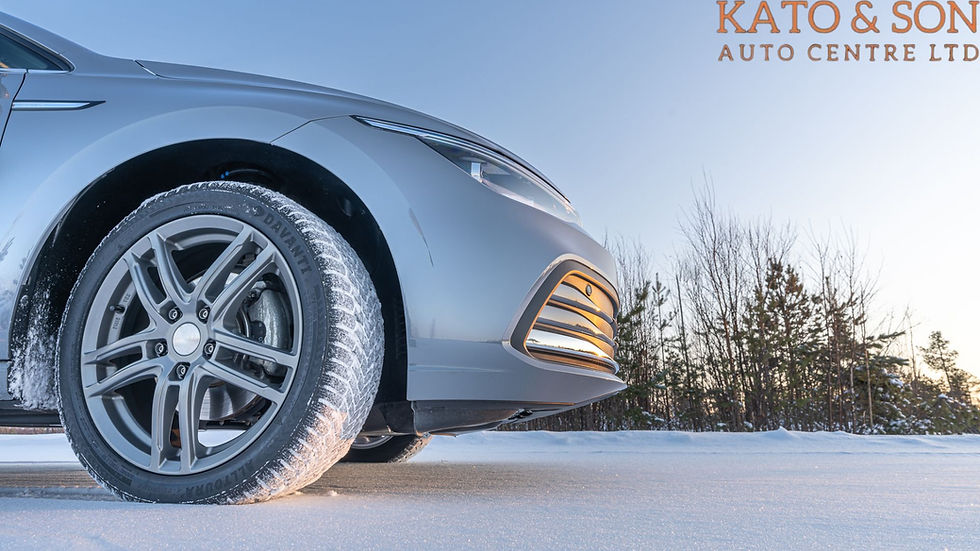
Driving conditions are much harsher when the weather gets colder and winter arrives. Freezing rain, ice, and snow turn an otherwise well-established roadway into a dangerous surface where stopping safely is a real concern. This is where winter tyres come in handy, giving drivers much-needed benefits that might make the difference between a safe stop and a serious crash.
Understanding the Challenge of Winter Braking
It is worth knowing about the difficulty in braking during cold conditions before looking at the reasons why winter tyres help. Roads that have been covered by snow or ice do not provide much grip between the vehicle tyres and the road surface. Normal tyres, which work fine under summer or even under the mild weather conditions, just cannot handle such extreme conditions.
Imagine putting a pair of smooth-soled shoes on an ice rink; there is very little contact and grip, and it is virtually impossible to stop in time or keep control. The same is true of vehicles. A car that does not have a good grip can travel long distances before stopping, even when the driver presses the brakes.
When to Fit Winter Tyres?
The question arises among many drivers as to when they should replace their summer tyres with winter tyres Leicester. The general guideline is to install them when temperatures are always below 7°C, and in the UK, this is around the time it starts getting colder in November and lasts till as late as March. This does, however, differ with location and may require them earlier and longer in the north and higher areas.
One should keep in mind that winter tyres are not only used in snow. They are made to suit cold weather as a rule and have advantages even on cold and wet roads, where there is no snow or ice whatsoever. This renders them useful in the winter season and not only in the infrequent snowy season.
What Makes Winter Tyres Different?
Snow tyres are specially designed to work in cold, snowy, and icy conditions. They differ from conventional tyres in three basic aspects. the rubber compound used, the tread pattern, and the tread depth.
The rubber that is used in winter tyres does not harden in winter since it remains flexible even at temperatures below 7°C. With regular tyres, on the contrary, they become more rigid and less flexible in cold weather, which reduces their grip on the road. This elasticity is essential, as it enables the tyre to be in good contact with the ground, resulting in more friction and better grip.
Winter tyres have tread patterns that include more grooves and channels compared to normal tyres Leicester. These are not mere decorations but perform very important functions. The deeper grooves are used to remove snow and slush from under the tyre, and thousands of tiny cuts known as 'sipes' are used to form more gripping edges. These sipes are similar to tiny teeth, cutting into snow and ice to provide extra traction that the ordinary tyre can never achieve.
The Science Behind Better Braking
There are a number of things that must occur when a driver presses the brakes on snow or ice to ensure that the vehicle stops safely. The tyres should not lose contact with the road and must provide enough friction without sliding and causing a complete loss of control.
Winter tyres are the best in all these tasks. Their softer rubber compounds mould to the microscopic irregularities of ice to form additional contact points. In the meantime, the sipes and grooves act in concert to push out water, snow, and slush, which otherwise would act like a lubricant between the tyre and the road surface.
This combination implies that in the case of braking, winter tyres will be able to provide much more stopping power in comparison with standard tyres on the same surface. That distinction is not slight, and it can be the difference between stopping in time and not stopping at all.
Real-World Braking Distance Improvements
The benefits of winter tyres are not imaginary because they have been tested by extensive research. Studies have shown that vehicles travelling at 30 mph on icy surfaces can stop up to eight metres shorter with winter tyres compared to regular tyres. That is about two car lengths, and that can easily mean the difference between escaping a car crash and being a part of one.
On snowy roads, the difference is also very dramatic. A vehicle moving at 30 mph using normal tyres may take 50 metres or more to come to a halt on packed snow, whereas the same vehicle using winter tyres may come to a halt in about 35 metres. These are not small margins when considering split-second decisions and emergency stops.
Winter tyres also offer superior braking once the temperature is below 7°C, even on cold, dry roads where no snow or ice is present. The rubber compound is flexible and therefore remains effective and keeps its grip, which hard regular tyres cannot achieve in these conditions.
Beyond Just Stopping
Although perhaps the most crucial safety effect of winter tyres is improved braking distance, it should be noted that winter tyres offer additional benefits. Increased acceleration during a standstill will result in reduced spinning of wheels and quicker, safer acceleration when pulling away at crossroads or climbing hills. Better cornering grip implies that drivers are more at ease with bends, as the rear end will not slip out, and there will be understeering.
All these advantages are aimed at making winter driving not only safer but also less stressful. Drivers can feel more at ease knowing that if an emergency stop is needed, the vehicle will respond as well as possible in the circumstances.
Conclusion
Buy Tyres Leicester and winter tyres are a remarkable safety enhancement for those who are exposed to cold weather. Their capability of drastically reducing braking distances on snow and ice is due to well-thought-out design features, the use of flexible rubber compounds, specialised tread patterns, and thousands of tiny sipes that work together to maintain grip where normal tyres cannot.
The numbers are self-explanatory; the stopping distance can be shortened by metres, which may avoid accidents and save lives. Winter tyres are not an unnecessary expense for anyone who drives regularly in winter conditions but a sensible precaution that helps drivers cope with potentially dangerous road conditions and makes emergency stops more effective.


Comments